For many people beginning their fertility treatment journey, intrauterine insemination (IUI) offers a simpler, more affordable, and less invasive starting point than IVF. It's often one of the first treatments considered for couples and individuals with mild fertility challenges, and remains a valuable option for many family-building journeys, including those using donor sperm.
Dr Mandana Master will help you understand whether IUI is a suitable option for your circumstances, with honest guidance on what to expect and how it compares to other treatments.
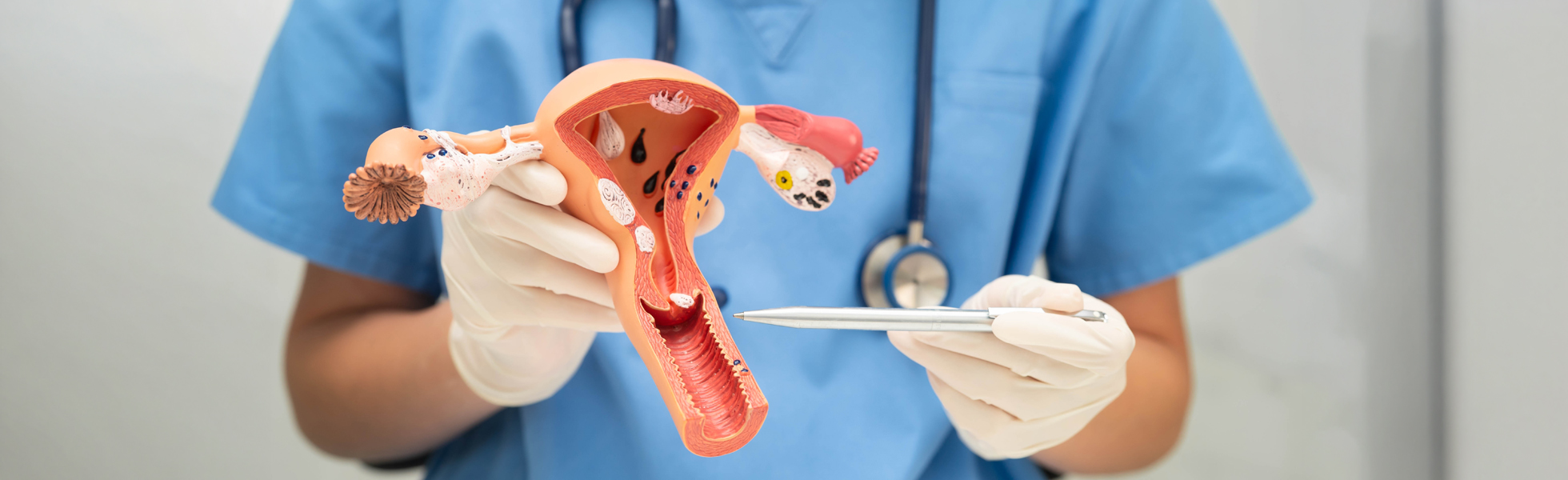
IUI is a fertility procedure in which a prepared and concentrated sperm sample is placed directly into the uterus of the partner planning to carry the pregnancy around her time of ovulation, using a thin, flexible catheter. By bypassing the cervix and shortening the distance sperm need to travel to reach the egg, IUI can improve the chances of fertilisation for couples and individuals facing certain fertility challenges.
IUI is considerably less invasive than in vitro fertilisation (IVF) or intracytoplasmic sperm injection (ICSI), doesn’t require sedation, and is often compared to the experience of a routine cervical screening test.
IUI may be recommended for individuals or couples experiencing:
IUI may also be suitable for those conceiving through the use of donor sperm, such as solo mothers or same-sex female couples building a family. In these situations, it is often referred to as donor insemination.
IUI is generally most successful for people under 35 with a healthy ovarian reserve and no significant blockages or structural issues. Conditions such as blocked fallopian tubes, moderate-to-severe endometriosis, or significant male factor infertility typically respond better to IVF or ICSI. Dr Mandana will help you understand which pathway is most likely to be right for you.
IUI is a comparatively simple and quick procedure, typically completed within a single menstrual cycle.
The female partner’s natural cycle is monitored through blood tests and ultrasound to track follicle development and identify the optimal time for insemination. In some cases, ovulation induction medication is used to stimulate the release of one or more eggs.
Once monitoring shows that ovulation is approaching, a trigger injection may be used to time ovulation precisely, allowing the insemination to be scheduled accordingly.
A sperm sample – from the male partner or a sperm donor – is washed and prepared in the laboratory, concentrating the healthiest, most motile sperm and removing seminal fluid and debris.
The prepared sample is inserted directly into the uterus using a thin catheter. The procedure takes only a few minutes, is generally associated with only mild discomfort, and doesn’t require anaesthesia.
Approximately two weeks after insemination, a blood test is performed to determine whether the insemination procedure has resulted in a pregnancy.
IUI success varies depending on individual circumstances. Generally speaking, success rates per cycle tend to be highest in women aged under 35 and decline with age as the quantity and quality of eggs naturally decrease. Key factors influencing IUI success include:
Of the individual providing the eggs.
Which affects how many eggs are available for fertilisation.
As some infertility causes, such as significant male factors, are more suitable for other assisted reproductive technologies.
As sperm are required to swim from the uterus to the egg in the fallopian tube, and fertilise it without further assistance.
Which can improve outcomes for some women.
IUI is considered a very safe treatment with minimal risk. Most women experience little to no discomfort, though some mild cramping or spotting can occur after the insemination procedure and usually settles quickly.
When ovulation induction medication is used alongside IUI, there is an increased chance of multiple pregnancy (twins or more). Any risks as they relate to your specific situation will be discussed as part of your treatment planning. The risk of more serious complications, such as infection, is very low.
If you need specialist advice and care for achieving your family building goals, you’ve come to the right place. Get in touch with Dr Mandana Master at Embrace Fertility today.